The Future of AI in Healthcare: 2025
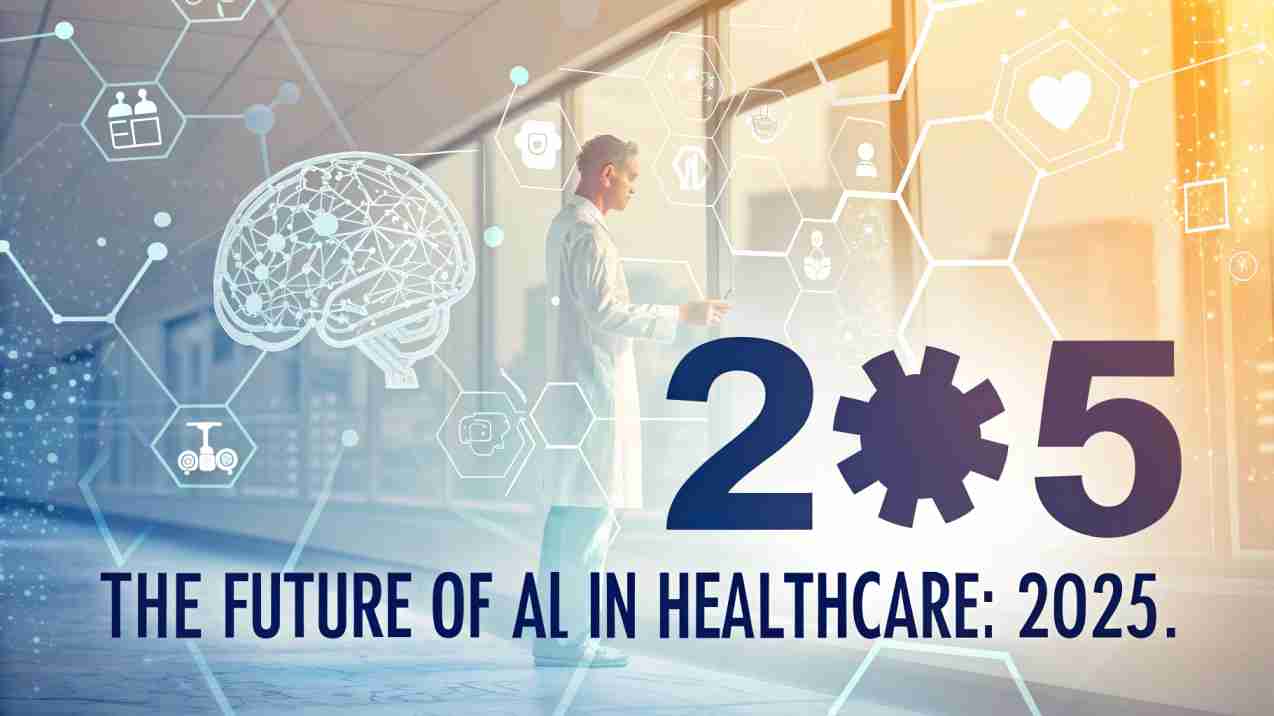
AI is revolutionizing nearly all aspects of our lives, and healthcare is no exception. In hospitals or home devices, AI is assisting physicians, patients, and scientists to make better, quicker, and more precise choices. By the year 2025, AI is not only a concept of the future but it is also saving lives day by day.
Earlier Diagnosis and Detection.
High-volume analysis of data is considered one of the most significant advantages of AI. In medicine, it refers to the ability to read scans, lab reports and patient histories much faster than humans can.
Artificial intelligence is able to identify the early warning of various illnesses such as cancer, heart issues or diabetes even before symptoms emerge. An example would be an AI program capable of scanning an X-ray and detecting minute changes that even a specialist would fail to notice. Early treatment is early detection, and that can save lives.
Certain AI can even guess their health risks by analyzing lifestyle data, such as the amount of sleep a person gets, whether they exercise, or eat. It is like having an online physician available to monitor your health 24 hours a day.
Individual Treatment Plans.
All bodies are not the same, and AI can guide physicians to learn more about it. Through the analysis of medical records, genetics, and other data, AI can suggest an individual treatment strategy to a patient.
As an example, AI could be used to recommend various medicines or therapies to two individuals with the same disease depending on their body responses. This practice is known as precision medicine and makes treatments more efficient and less side effects.
One day, your smartwatch could even monitor your health and automatically make changes to either what you eat or what pills you take – tailored specifically to you.
AI in Hospitals and Surgery
Even hospitals are getting smart. The AI manages patient records, oversees the supplies, and even assists in scheduling the surgeries effectively. AI powered robots aid surgeons in high precision operations, minimizing human error and accelerating recovery.
In some hospitals, AI chatbots can answer patient questions, make appointments, or give emotional support, particularly to individuals who are anxious or isolated.
Drug Discovery and Research
It used to take years to develop a new medicine. Today, AI is able to test millions of chemical combinations within weeks to assist scientists to quickly identify possible treatments.
This technology contributed greatly to recent health crises, where researchers discovered vaccine targets and how the virus would mutate. AI is making research a smarter and much faster process that saves lives and saves time.
Challenges and Cautions
Although AI is a source of hope, it is not infallible. Privacy is also a major issue as medical information is highly sensitive. Hospitals should ensure that they do not mishandle patient information.
And, there is also the issue of precision, AI systems need to be trained to prevent mistakes, particularly when human lives are involved. It should not be the case that doctors and AI replace each other.
Conclusion
Artificial intelligence has a tremendous impact on healthcare because it makes it faster, more personal, and more accurate. AI is becoming a life-saving technology from its ability to detect disease at an early stage to assist doctors in performing tasks that are intricate.
The future of medicine is not the future of medicine itself but human + human + AI, collaborating to make us all healthier and happier.